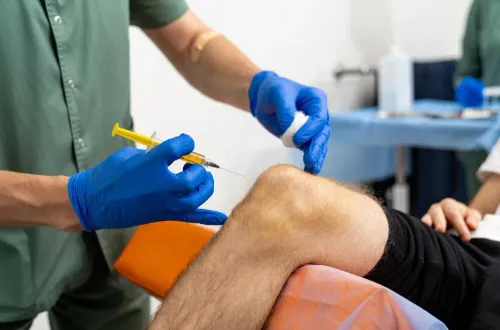
ACL Injury
The Anterior Cruciate Ligament (ACL) is one of the major ligaments in the knee that helps maintain stability during walking, running, turning, and sports activities. An ACL injury usually occurs due to a sudden twist, awkward landing, or direct impact to the knee. Patients may feel a “pop” at the time of injury followed by pain, swelling, and a feeling that the knee is unstable or giving way.
Common symptoms include:
• Knee pain and swelling
• Instability while walking
• Difficulty turning or pivoting
• Reduced range of motion
• Inability to return to sports activities
If left untreated, an ACL tear can lead to repeated knee instability and damage to the cartilage or meniscus over time.
ACL Reconstruction
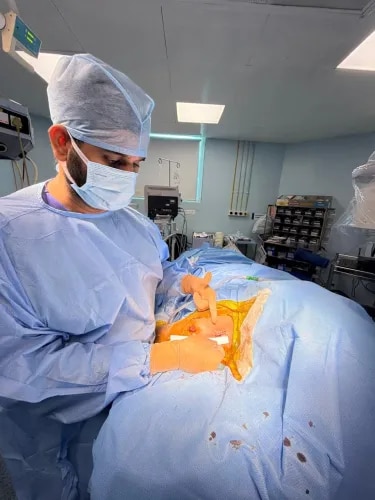
ACL reconstruction is a surgical procedure performed to restore stability to the knee by replacing the torn ligament with a graft. The graft may be taken from the patient’s own tissue (hamstring tendon or patellar tendon) or from donor tissue.
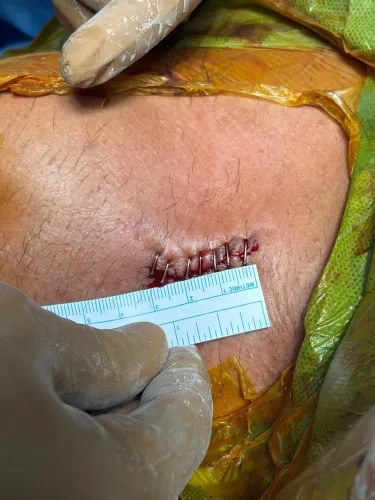
The procedure is usually done through minimally invasive arthroscopic surgery, using small incisions and a camera for precision. The new ligament is positioned in the same place as the original ACL and fixed securely inside the knee.
Benefits of ACL Reconstruction
• Restores knee stability
• Reduces episodes of giving way
• Helps return to sports and active lifestyle
• Prevents further damage to the knee
• Improves long-term knee function
Recovery
Recovery involves:
• Early pain control
• Physiotherapy rehabilitation
• Strengthening exercises
• Gradual return to daily activities
Early diagnosis and proper treatment can help patients regain confidence and return to an active, pain-free life.
BOOK APPOINTMENT