A meniscus tear can occur during a sudden twisting injury, but not every tear happens on a sports field. In middle-aged and older adults, degenerative changes can make the meniscus more vulnerable even during ordinary movements such as squatting, turning, or rising from the floor.
Choosing the right meniscus tear treatment requires more than seeing the word 'tear' on an MRI report.
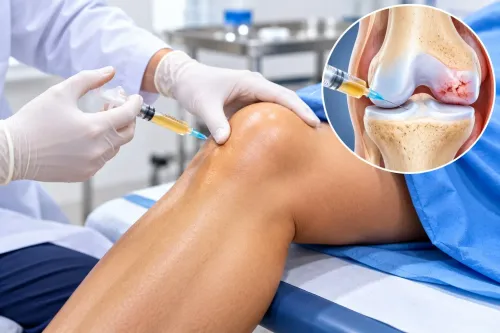
The menisci are crescent-shaped structures inside the knee that contribute to load distribution, stability, and joint mechanics. Because preserving healthy meniscal tissue is valuable for long-term knee function, treatment should be based on the tear pattern and symptoms rather than assuming every tear needs removal.
Start by identifying the type of problem
A younger athlete who twists the knee during football and develops swelling may have an acute traumatic tear.
An older adult with underlying knee arthritis may have a degenerative meniscal tear that developed gradually.
These are different clinical situations.
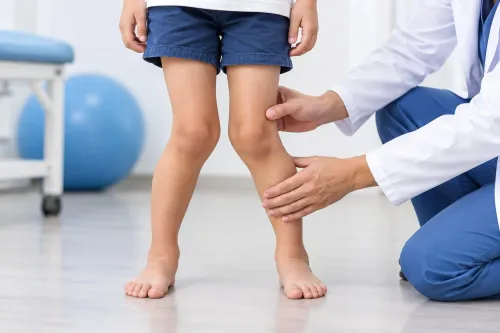
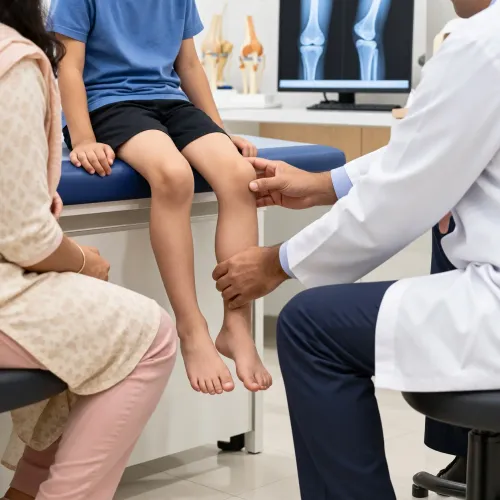
Assessment considers:
- How the injury happened
- Patient age and activity level
- Location and pattern of the tear
- Knee swelling
- Mechanical symptoms
- Associated ligament injuries
- Presence of arthritis or cartilage damage
What does knee locking actually mean?
Patients frequently use 'locking' to describe pain or stiffness. True mechanical locking usually means the knee physically cannot move through its normal range because something is blocking motion.
This distinction can affect treatment decisions.
Catching, clicking, pain during squatting, and intermittent stiffness should all be described accurately during the consultation.
Can a meniscus tear heal without surgery?
Some tears can be managed conservatively, depending on their location, size, stability, symptoms, and patient requirements.
Treatment may include temporary activity modification and structured physiotherapy aimed at restoring movement, strength, and control.
The meniscus has different zones of blood supply, which affects healing potential. Tear pattern also matters considerably.
When surgery is considered, preserving and repairing suitable meniscal tissue may be preferred where technically and biologically appropriate rather than removing tissue unnecessarily.
When might arthroscopy be discussed?
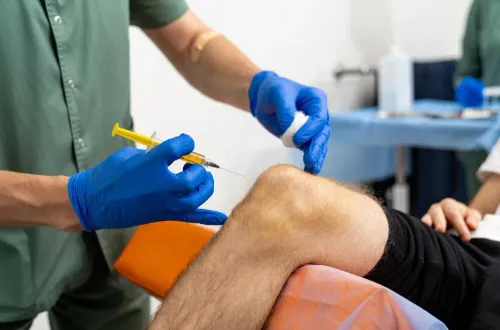
Arthroscopic treatment may be considered for selected symptomatic tears, particularly when there are significant mechanical symptoms, certain repairable traumatic tears, or persistent problems despite appropriate conservative treatment.
The procedure required depends on the tear itself. A meniscal repair and a partial meniscectomy are not the same operation and can involve different rehabilitation timelines.
Avoid treating the MRI instead of the patient
MRI is useful, but abnormalities can sometimes appear even in people who have limited symptoms.
For a patient with established knee arthritis, for example, the meniscal tear may be only one part of a broader degenerative joint problem. Treating the meniscus alone may not address the main source of pain.
This is why examination and X-ray findings can remain important even when an MRI is available.
Sports participation is common across Bengaluru, from badminton and cricket to football, running, and gym training. Patients who want to return to demanding activity should explain those goals clearly because rehabilitation requirements may differ.
At Dr Harish Madrekar's Orthopaedic Clinic in Bengaluru, evaluation can consider the tear pattern alongside symptoms, knee stability, cartilage health, activity demands, and other joint findings.
The key principle is meniscus preservation where appropriate while addressing the actual source of symptoms. A personalized assessment can determine whether rehabilitation, monitoring, repair, or another treatment approach best fits the individual knee.
Keywords