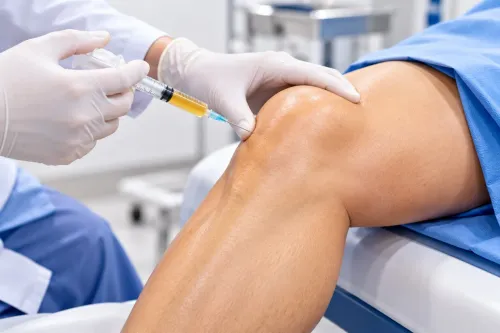
Pain around the front of the knee can make climbing stairs, sitting for long periods, or even walking uncomfortable. One common cause of this discomfort is chondromalacia patella, a condition in which the cartilage beneath the kneecap softens and wears down. Choosing the right orthopaedic care early can help relieve symptoms, improve knee function, and prevent further cartilage damage.
What Is Chondromalacia Patella?
The kneecap, or patella, glides over the thigh bone whenever the knee bends or straightens. Healthy cartilage allows this movement to occur smoothly. When the cartilage becomes irritated or damaged, the bones no longer move as efficiently, leading to pain and inflammation.
The condition affects teenagers, athletes, runners, and adults with poor knee alignment or muscle imbalance.
Signs That Should Not Be Ignored
Common symptoms include:
- Pain at the front of the knee
- Discomfort while climbing or descending stairs
- Pain after prolonged sitting
- Grinding or clicking sensations
- Mild swelling around the kneecap
- Difficulty squatting or kneeling
Ignoring these symptoms may allow the condition to worsen over time.
When Should You Visit an Orthopaedic Specialist?
Many people try home remedies for several weeks before seeking medical advice. However, consultation becomes important if:
- Pain lasts longer than two to three weeks
- Daily activities become difficult
- Knee swelling keeps returning
- Pain limits sports participation
- Walking becomes uncomfortable
- The knee repeatedly feels unstable
Early diagnosis often prevents long-term cartilage damage.
What Happens During the Evaluation?
A thorough assessment is more valuable than relying on symptoms alone.
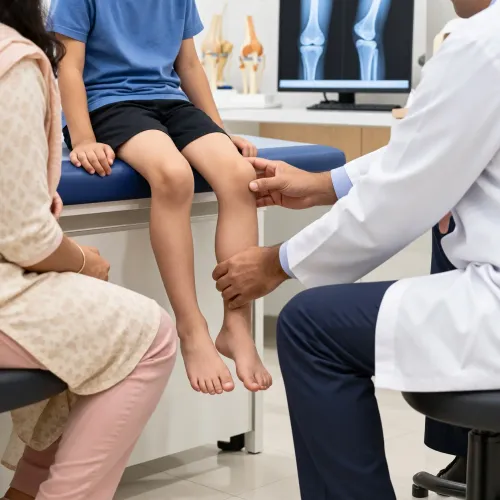
The orthopedic specialist typically evaluates:
- Walking pattern
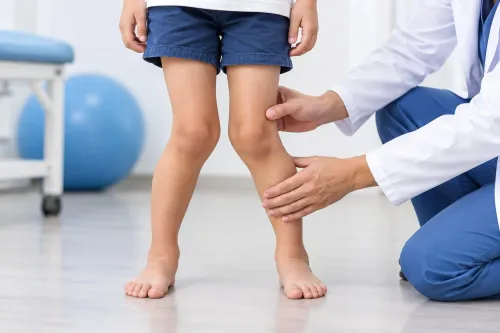
- Knee alignment
- Muscle strength
- Joint stability
- Range of movement
- Areas of tenderness
Depending on the findings, imaging may include:
- Digital X-rays
- MRI scans
- Standing knee evaluation
These investigations help rule out ligament injuries, arthritis, and meniscus problems.
What Makes a Good Treatment Plan?
Effective treatment should address both pain and the underlying cause.
A personalized management plan may include:
- Activity modification
- Physiotherapy
- Strengthening exercises
- Stretching routines
- Weight management advice when appropriate
- Pain-relieving medication if required
The objective is to improve kneecap movement while reducing stress on the cartilage.
Questions Worth Asking During Your Consultation
Patients often benefit from asking:
- What is causing my knee pain?
- Is imaging necessary?
- Can I continue exercising?
- How long will recovery take?
- What activities should I avoid?
- Will physiotherapy be enough?
Clear communication helps patients actively participate in their recovery.
Recovery Expectations
Recovery depends on factors such as:
- Severity of cartilage damage
- Age
- Physical activity level
- Adherence to rehabilitation
- Muscle strength
Many patients improve significantly with conservative treatment when they follow their rehabilitation program consistently.
Choosing an Orthopaedic Clinic
When selecting an orthopaedic provider, consider whether the clinic offers:
- Comprehensive clinical evaluation
- Modern diagnostic facilities
- Individualized rehabilitation plans
- Experience in treating sports and knee conditions
- Long-term follow-up when required
For patients seeking specialized knee care in Bengaluru, Dr Harish Madrekar's Orthopaedic Clinic provides detailed assessment of knee pain, helping identify whether symptoms are related to chondromalacia patella or another orthopedic condition. Personalized treatment plans focus on restoring mobility, improving knee mechanics, and supporting long-term joint health.
Keywords