Many people naturally have a slight difference in leg length without experiencing any problems. However, a significant leg length discrepancy can affect walking, posture, and joint health over time. Understanding when professional evaluation is necessary helps patients prevent avoidable pain and long-term complications.
What Is Leg Length Discrepancy?
Leg length discrepancy occurs when one leg is shorter than the other. The difference may involve the bones themselves or result from muscle tightness, pelvic imbalance, or joint deformities.
Some differences are so small they require no treatment, while larger discrepancies may affect everyday movement.
Symptoms That Suggest Evaluation Is Needed
Patients may notice:
- Uneven walking pattern
- Lower back pain
- Hip discomfort
- Knee pain
- Frequent ankle strain
- Difficulty standing for long periods
- Uneven shoe wear
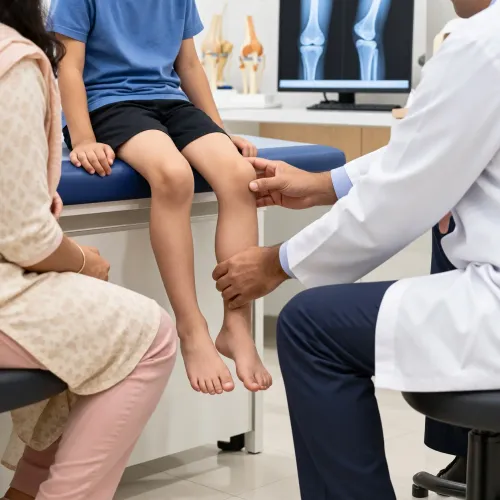
Children may also develop limping or noticeable differences in posture as they grow.
Common Causes
Leg length discrepancy may develop because of:
- Birth-related conditions
- Childhood fractures
- Growth plate injuries
- Hip disorders
- Previous surgeries
- Bone infections
- Arthritis
Adults may also develop functional differences due to spinal or pelvic alignment problems.
How Is It Diagnosed?
A proper evaluation goes beyond simply measuring the legs.
The orthopedic specialist may assess:
- Walking mechanics
- Pelvic alignment
- Joint mobility
- Muscle balance
- Limb measurements
Investigations may include:
- Standing X-rays
- Long-leg imaging
- Scanogram
- Gait analysis
These tests help determine whether the difference is structural or functional.
Treatment Options
Treatment depends on the severity of the discrepancy.
Management may include:
- Shoe lifts
- Physiotherapy
- Muscle strengthening
- Stretching exercises
- Observation in growing children
- Surgical correction in selected cases
Many patients experience noticeable improvement with conservative treatment alone.
Why Early Evaluation Matters
Ignoring a significant discrepancy can contribute to:
- Chronic back pain
- Hip arthritis
- Knee strain
- Foot problems
- Abnormal posture
- Reduced physical performance
Early intervention can reduce stress on multiple joints.
Choosing the Right Orthopaedic Care
Patients should look for a clinic that provides:
- Detailed physical examination
- Accurate imaging
- Individualized treatment planning
- Rehabilitation support
- Ongoing monitoring when required
Treatment should address the underlying cause rather than simply correcting the visible difference.
Who Should Seek Medical Advice?
Arrange an orthopedic consultation if you or your child experiences:
- Persistent limping
- Recurrent back pain
- Uneven hips
- Frequent sports injuries
- Difficulty walking comfortably
- Noticeable leg length difference
Patients in Bengaluru experiencing posture-related discomfort or walking difficulties can benefit from comprehensive assessment at Dr Harish Madrekar's Orthopaedic Clinic. Careful clinical evaluation combined with appropriate imaging helps determine the exact cause of leg length discrepancy and guides suitable treatment based on the patient's age, activity level, and functional needs.
Keywords