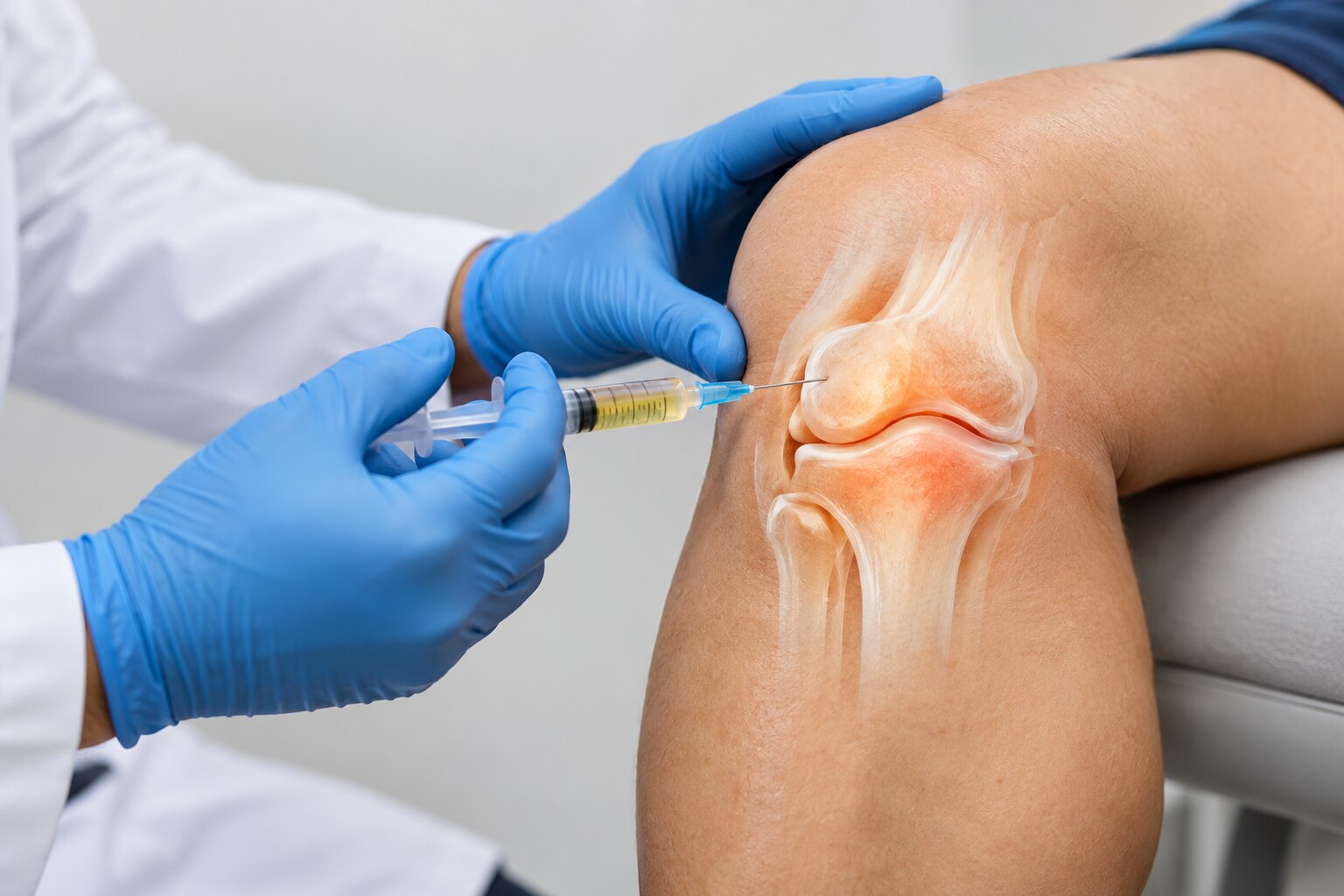
The best candidate for a GFC knee injection is not determined by age or an MRI finding alone. By the end, you will be able to compare the preparation with other injections, recognise likely eligibility, identify situations where it is a poor fit, and ask for a safer, more useful treatment plan in Bengaluru.
Key takeaways
- GFC is made from your blood, but preparation methods differ between clinics.
- Eligibility depends on your diagnosis, osteoarthritis severity, symptoms and previous treatment response.
- Seek a different evaluation when pain suggests a fracture, infection, instability or another diagnosis.
- Ask about GFC processing, injection volume, schedule, risks and rehabilitation before deciding.
What GFC Is—and How It Differs from Other Knee Injections
GFC, or Growth Factor Concentrate, usually means a preparation made from your own blood and containing platelet-associated growth factors. A growth factor concentrate knee injection is not a single standardised product: clinics can differ in platelet and leukocyte content, concentration process, activation method, injection volume and dosing schedule.
Ask for the written preparation protocol before agreeing to treatment. Do not assume every GFC injection for knee arthritis is equivalent because the label is the same.
PRP, or platelet-rich plasma, is a broader category defined mainly by the platelet concentration in the prepared blood product. GFC may describe a particular concentration or processing approach, so the terms can overlap in practice.
| Option | What it contains or does | Main purpose |
|---|---|---|
| GFC or PRP | Autologous blood-derived, platelet-associated factors | Attempted symptom improvement; protocol varies |
| Stem-cell procedure | Different cells, with separate regulation and evidence claims | Not the same as a platelet injection |
| Corticosteroid | Anti-inflammatory medicine | Mainly short-term inflammatory pain relief |
| Hyaluronic acid | Joint-lubricating substance | Supplements lubrication rather than delivering blood-derived factors |
“Regenerative” does not prove new cartilage growth, reversal of osteoarthritis or avoidance of knee replacement. Evidence for platelet-derived injections remains inconsistent. The American Academy of Orthopaedic Surgeons rates PRP evidence as limited, while the American College of Rheumatology/Arthritis Foundation conditionally recommends against PRP because of heterogeneity and lack of standardisation.
Who Meets GFC Knee Injection Eligibility Criteria?
The practical answer to who benefits from GFC knee injections in Bengaluru is adults with clinically and radiographically confirmed mild-to-moderate knee osteoarthritis, not people selected by age alone. The knee should retain usable joint space, preserved range of motion, reasonable alignment and no major fixed deformity or advanced instability.
GFC knee injection eligibility usually follows persistent pain, stiffness or activity limitation despite a supervised trial of quadriceps strengthening, general exercise, weight management when relevant, activity modification and safe medicines. Realistic goals matter: walking farther, climbing stairs or returning to low-impact exercise are more suitable than expecting high-impact sports or a pain-free knee.
The strongest candidates understand that GFC is symptom management. It may improve comfort and function, but it does not replace cartilage or guarantee that you will avoid knee replacement.
Before proceeding, ask the clinician to review:
- Anticoagulant or antiplatelet medicines, abnormal bleeding and low platelet counts. Never stop blood-thinning medicine independently; the prescribing doctor and injection clinician must balance bleeding risk against thrombosis risk.
- Diabetes control, immune status and any current infection. A skin infection, suspected joint infection or systemic infection requires assessment before injection.
- Age, other illnesses and activity goals. Age can shape expectations, but it is neither a standalone exclusion nor a qualification.
When Knee Pain Needs a Different Diagnosis or Treatment
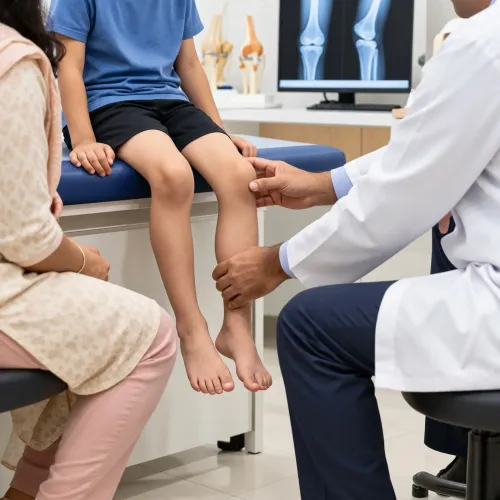
A clinician confirms osteoarthritis is the dominant pain source before considering GFC knee injection eligibility; an MRI finding alone is not enough. The assessment should cover:
1. Examine the knee, hip and spine, because hip or spinal disease can refer pain to the knee.
2. Review pain pattern, stiffness, swelling, daily function and walking ability, then check range of motion, alignment, ligament stability and tenderness.
3. When osteoarthritis is suspected, order standing weight-bearing knee X-rays. They show joint-space loss, alignment and bone changes; MRI is not automatically required for routine osteoarthritis assessment.
4. Consider inflammatory arthritis, infection, fracture, referred pain, and mechanical symptoms from a meniscal or ligament injury. A meniscal tear or cartilage defect on MRI does not establish injection eligibility.
GFC alone is a poor reliance strategy for bone-on-bone disease, major fixed deformity, substantial instability, rapidly worsening symptoms or pain that seriously limits walking. A local skin infection, suspected joint infection or systemic infection requires deferral and medical assessment.
Patients with advanced disease can still discuss symptom relief, but delaying an indicated knee-replacement assessment because an injection is expected to rebuild cartilage is not evidence-based. The phrase regenerative knee treatment in Bengaluru does not prove cartilage growth or prevent replacement. A different diagnosis or treatment may address the real cause more safely.
What Happens Before, During and After a GFC Knee Injection?
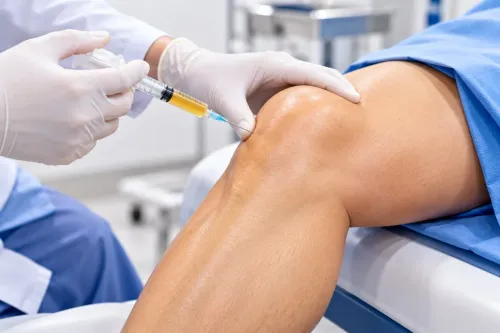
Before the procedure, the clinician records your baseline pain, walking ability and knee function, reviews weight-bearing X-rays and medicines, and checks relevant bleeding, diabetes and infection risks. For a GFC injection for knee arthritis, blood is collected, processed or concentrated according to the clinic’s written protocol, then injected into the joint using sterile technique.
| Stage | What happens | What to confirm |
|---|---|---|
| Before | Assessment, X-ray and medicine review; blood collection | One injection or a series, dose interval, total visit time and assessment date |
| During | The prepared blood product enters the knee joint | Whether ultrasound guidance will assist needle placement; guidance does not prove effectiveness |
| After | Pain, swelling or stiffness can temporarily increase | Written advice on ice, walking, physiotherapy, exercise, driving, work and sports |
Do not accept an unspecified package or assume that more injections work better. Ask which pain medicines to use and whether anti-inflammatory or blood-thinning medicines need review. Never stop prescribed anticoagulants without medical advice.
Plan for a short period of relative activity reduction, followed by a structured return to strengthening; the treating clinician must provide the actual timetable. Seek urgent review for fever, increasing redness, severe pain, drainage or inability to bear weight. Ask when follow-up occurs and how long symptoms will be monitored.
Infection, bleeding and injury to nearby structures are uncommon but important risks of any knee injection.
How to Judge the Treatment Decision in Bengaluru
The question “who benefits from GFC knee injections in Bengaluru” is less useful than asking whether an injection fits your complete treatment plan. Exercise-based rehabilitation, quadriceps strengthening, weight management when relevant, activity changes, and topical or oral medicines when safe remain important with or without GFC.
| Option | Main role | What to compare or expect |
|---|---|---|
| GFC | A trial for selected osteoarthritis symptoms | Injection number, blood-processing or laboratory method, clinician fee, follow-up, adverse-event arrangements and the plan after non-response |
| Supervised rehabilitation | Builds strength and walking capacity | Programme design, physiotherapy access and your adherence |
| Topical or oral medicine | Pain control when medically safe | Stomach, kidney, heart, bleeding and other medication risks |
| Knee-replacement assessment | Considered when disease severely limits function | Bone-on-bone changes, deformity, instability and walking capacity |
Evidence does not establish a dependable duration of GFC benefit. Before paying, ask what improvement counts as success, when it will be measured, and what happens if pain or walking capacity does not improve. A higher price does not prove greater regenerative benefit.
A consultation with Dr Harish Madrekar's Orthopaedic Clinic can connect examination, weight-bearing X-rays, rehabilitation and injection suitability instead of treating the procedure in isolation. Bring your X-rays, medication list, bleeding history, diabetes or immune conditions, previous physiotherapy record and specific activity goals.
The decision is whether your diagnosis, disease stage and expectations fit a GFC trial—not whether “regenerative knee treatment in Bengaluru” sounds persuasive.
Related service
GFC GFC INJ FOR OSTEOARTHRITIS KNEE Growth Factor Concentrate (GFC) injection is an advanced regenerative treatment used for early to moderate knee osteoarthritis. View service → |
Frequently asked questions
What is a GFC knee injection?
GFC, or Growth Factor Concentrate, is prepared from your own blood and contains platelet-associated growth factors. Clinics can differ in processing, concentration, leukocyte content, activation, volume and dosing schedule.
Who meets GFC knee injection eligibility criteria?
People with confirmed knee osteoarthritis may be considered after an assessment of symptoms, examination findings, imaging and previous treatment. Eligibility is individual rather than based on pain alone.
When does knee pain need a different diagnosis or treatment?
Seek another evaluation when symptoms could indicate a fracture, infection, ligament or meniscus injury, inflammatory arthritis, referred pain or another condition that GFC would not address.
What happens before, during and after a GFC knee injection?
Before treatment, the clinician confirms the diagnosis and reviews medical history and alternatives. During treatment, blood is processed and the preparation is injected into the knee. Afterward, follow the clinic’s activity, pain-control and rehabilitation instructions.
How should you compare regenerative knee treatment in Bengaluru?
Ask how the GFC is prepared, its platelet and leukocyte content, activation method, injection volume, number of injections, expected recovery and alternatives. Confirm that the recommendation matches your diagnosis and goals.
Keywords