A first-time shoulder dislocation is often painful and frightening, particularly for young adults who lead active lifestyles. Whether it happens during sports, a gym workout, or an accidental fall, prompt assessment plays an important role in restoring shoulder stability and reducing the risk of future dislocations.
Knowing what happens after the injury helps patients make informed decisions about treatment and recovery.
What Is a Shoulder Dislocation?
The shoulder is the body's most mobile joint, allowing movement in multiple directions. This flexibility also makes it vulnerable to instability.
A dislocation occurs when the upper arm bone slips completely out of the shoulder socket.
Once displaced, surrounding structures such as ligaments, cartilage, muscles, and tendons may also sustain damage.
Why Young Adults Are More Susceptible
People between the ages of 18 and 35 experience shoulder dislocations more frequently because they often participate in activities involving sudden impact or overhead movements.
Common situations include:
- Cricket
- Basketball
- Volleyball
- Gym workouts
- Bike accidents
- Falls during recreational activities
In Bengaluru, orthopedic clinics commonly evaluate shoulder instability among college students, athletes, and working professionals who maintain active lifestyles.
Symptoms Following the Injury
A shoulder dislocation usually causes immediate symptoms.
These include:
- Intense shoulder pain
- Visible deformity
- Inability to move the arm
- Swelling
- Muscle spasms
- Tingling or numbness in some cases
The shoulder should never be forcefully repositioned without medical supervision.
How the Diagnosis Is Confirmed
An orthopedic specialist begins by evaluating:
- Shoulder alignment
- Joint stability
- Blood circulation
- Nerve function
- Associated injuries
X-rays confirm the dislocation and identify fractures.
MRI may be recommended if there is concern about:
- Labral tears
- Rotator cuff injuries
- Ligament damage
- Cartilage injury
Immediate Treatment
The first goal is safely relocating the shoulder into its normal position.
After reduction, treatment generally includes:
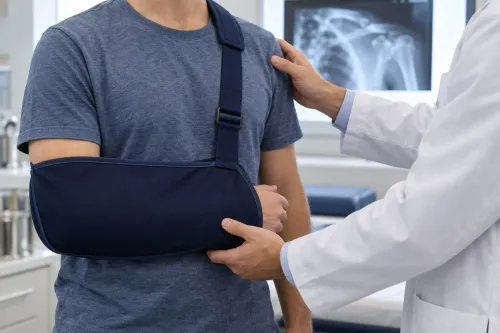
- Temporary sling support
- Pain control
- Cold therapy
- Gradual mobilization
- Physiotherapy
Most patients notice significant pain relief once the joint is restored.
Why Rehabilitation Is Essential
Simply relocating the shoulder does not complete treatment.
Physiotherapy focuses on rebuilding:
- Rotator cuff strength
- Shoulder blade stability
- Joint control
- Coordination
- Flexibility
A structured rehabilitation program reduces the chances of recurrent instability.
When Is Surgery Considered?
Not everyone requires surgery.
However, orthopedic surgeons may recommend it when:
- Shoulder repeatedly dislocates
- MRI shows significant tissue damage
- Patient participates in competitive sports
- Instability affects daily life
- High risk of recurrence exists
Modern arthroscopic procedures often involve smaller incisions and faster recovery compared to traditional techniques.
Returning to Daily Activities
Recovery varies from one patient to another.
Most people gradually return to:
- Desk work
- Driving
- Gym training
- Recreational sports
- Competitive athletics
The timeline depends on tissue healing and rehabilitation progress.
Ignoring medical advice or returning to sports too soon increases the likelihood of another dislocation.
Preventing Future Shoulder Dislocations
While recurrence cannot always be prevented, several habits improve shoulder stability.
These include:
- Continuing strengthening exercises
- Improving posture
- Warming up before sports
- Using correct training techniques
- Avoiding risky movements during recovery
- Following physiotherapy guidance
When Should You Seek Orthopedic Care?
Arrange an orthopedic consultation if:
- The shoulder appears out of place
- Pain remains severe
- Arm movement is impossible
- Repeated instability develops
- Weakness persists after recovery
- Shoulder feels loose during activity
Early management often leads to better long-term outcomes.
Patients in Bengaluru looking for specialized evaluation after a shoulder injury can benefit from comprehensive assessment at Dr Harish Madrekar's Orthopaedic Clinic, where treatment plans are tailored to the severity of the injury, activity level, and recovery goals.
Keywords