A partial rotator cuff tear is one of the most common causes of persistent shoulder pain in adults. Unlike a complete tear, only part of the tendon is damaged, making early diagnosis especially valuable because many patients can recover without extensive surgery.
Understanding partial rotator cuff tear management helps patients seek treatment before everyday activities become increasingly difficult.
What Is the Rotator Cuff?
The rotator cuff consists of four muscles and their tendons that stabilize the shoulder joint and enable smooth arm movement.
These tendons allow people to:
- Lift objects
- Reach overhead
- Dress comfortably
- Drive
- Perform sports
- Carry groceries
Even a partial injury can significantly affect shoulder function.
Causes of Partial Rotator Cuff Tears
Several factors contribute to tendon damage.
Common causes include:
- Age-related wear
- Repetitive overhead work
- Sports injuries
- Falls
- Heavy lifting
- Poor shoulder mechanics
IT professionals in Bengaluru may also develop shoulder problems due to prolonged sitting, poor posture, and inadequate muscle conditioning.
Common Symptoms
Symptoms often develop gradually.
Patients frequently notice:
- Pain while lifting the arm
- Weakness
- Night pain
- Difficulty reaching overhead
- Reduced shoulder movement
- Pain during exercise
- Clicking sensations
Ignoring these symptoms may allow the tear to progress over time.
Diagnosis
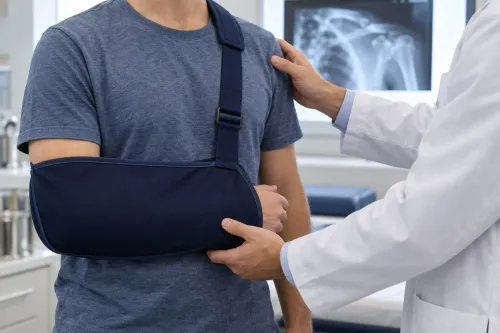
Orthopedic evaluation typically includes:
- Medical history
- Shoulder examination
- Strength testing
- Range-of-motion assessment
Imaging may include:
- X-rays
- Ultrasound
- MRI
MRI remains particularly useful for determining the size and location of tendon damage.
Non-Surgical Management
Many partial tears respond well to conservative treatment.
Treatment may involve:
- Rest from aggravating activities
- Pain-relieving medication
- Physiotherapy
- Ice application
- Guided strengthening exercises
- Posture correction
The goal is to reduce pain while improving tendon healing and shoulder mechanics.
When Is Surgery Recommended?
Surgical treatment may be considered when:
- Pain persists despite rehabilitation
- The tear enlarges
- Shoulder weakness progresses
- Daily activities remain limited
- Patients have high physical demands
Arthroscopic surgery allows many tendon repairs through minimally invasive techniques.
Rehabilitation After Treatment
Recovery depends heavily on structured rehabilitation.
Therapy focuses on:
- Restoring flexibility
- Improving shoulder stability
- Strengthening the rotator cuff
- Rebuilding endurance
- Returning safely to work and sports
Consistent rehabilitation often determines long-term success.
Tips to Protect Your Shoulder
Healthy habits reduce the risk of future injuries.
These include:
- Regular shoulder exercises
- Maintaining good posture
- Proper lifting techniques
- Balanced strength training
- Warm-up before sports
- Avoiding repetitive overuse
When Medical Evaluation Is Important
Consult an orthopedic specialist if:
- Shoulder pain lasts several weeks
- Night pain disrupts sleep
- Arm weakness increases
- Movement becomes limited
- Everyday activities become painful
- Previous shoulder injuries continue to trouble you
For individuals in Bengaluru dealing with ongoing shoulder pain, Dr Harish Madrekar's Orthopaedic Clinic provides detailed assessment of rotator cuff injuries and develops personalized treatment strategies based on imaging findings, functional goals, and the patient's lifestyle, helping restore comfortable shoulder movement while reducing the risk of long-term complications.
Keywords