Wrist pain is often blamed on sprains or repetitive strain, but one frequently overlooked cause is a triangular fibrocartilage complex (TFCC) injury. This condition can make gripping, lifting, and rotating the wrist painful, particularly if left untreated. Knowing how TFCC injury diagnosis and wrist pain treatment work can help patients seek timely care before symptoms become chronic.
What Is the TFCC?
The triangular fibrocartilage complex is a group of ligaments and cartilage located on the little finger side of the wrist. It stabilizes the wrist and cushions the bones during movement.
Damage to this structure affects both strength and stability, making everyday tasks difficult.
Common Causes of TFCC Injuries
A TFCC injury may occur because of:
- Falling onto an outstretched hand
- Sports injuries
- Repetitive twisting movements
- Heavy lifting
- Degenerative wear with age
Tennis players, golfers, gym enthusiasts, and professionals who frequently use tools are among those at increased risk.
Symptoms of a TFCC Injury
Typical symptoms include:
- Pain on the little finger side of the wrist
- Clicking during wrist movement
- Weak grip strength
- Swelling
- Difficulty rotating the wrist
- Pain while lifting objects
Some patients notice symptoms only during specific activities.
Diagnosing the Condition
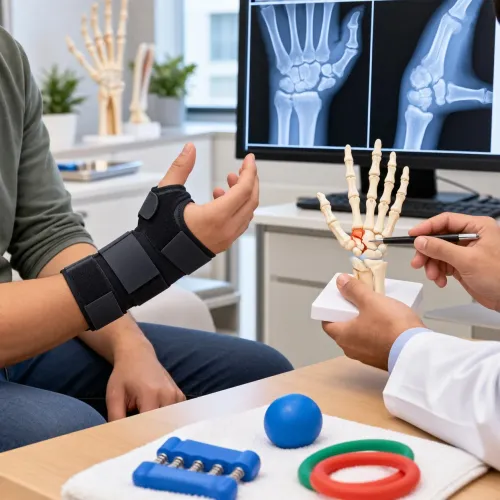
Accurate diagnosis combines clinical assessment with imaging.
An orthopedic specialist may recommend:
- Physical examination
- X-rays
- MRI scan
- Wrist stability testing
Proper diagnosis helps distinguish TFCC injuries from fractures, tendon disorders, and arthritis.
Treatment Options
Many TFCC injuries improve without surgery.
Conservative treatment may involve:
- Wrist splints
- Activity modification
- Anti-inflammatory medication
- Ice therapy
- Physiotherapy
Patients should avoid repetitive wrist strain during recovery.
When Is Surgery Considered?
Surgery may be recommended if:
- Pain persists despite conservative treatment
- Wrist instability develops
- A significant tear is identified
- Daily function remains limited
Arthroscopic techniques often allow repair through small incisions with less disruption to surrounding tissues.
Rehabilitation After Treatment
Recovery includes gradual strengthening and mobility exercises.
Therapy focuses on:
- Restoring wrist flexibility
- Improving grip strength
- Regaining stability
- Safe return to sports and work
Consistent rehabilitation reduces the risk of recurring symptoms.
Preventing Wrist Injuries
Helpful preventive measures include:
- Proper lifting techniques
- Wrist strengthening exercises
- Protective sports gear
- Ergonomic workstation setup
- Taking breaks during repetitive activities
When Should You Seek Medical Care?
Arrange an orthopedic consultation if:
- Wrist pain lasts more than a few days
- Swelling persists
- Grip strength decreases
- Clicking becomes painful
- Daily activities become difficult
Patients experiencing persistent wrist pain in Bengaluru can benefit from comprehensive evaluation at Dr Harish Madrekar's Orthopaedic Clinic, where clinical examination and advanced imaging help identify TFCC injuries and guide individualized treatment.
Keywords